
01
From a clinical question to a testable system
CNF describes collaboration between clinical personnel and computer engineering at Chulalongkorn University, using images assessed by cardiologists. The central connection is turning an access problem in cardiac assessment into a video-classification task that can be evaluated against reference data.
This work depends on clinical scope, data quality, and evaluation design as well as software development. Team credentials should be read alongside the cited work, rather than used as substitutes for performance evidence or product approval.
Source: GPO 2026, p. 2; CNF 2026, pp. 2, 45; 2024 paper, pp. 123–124, 127
02
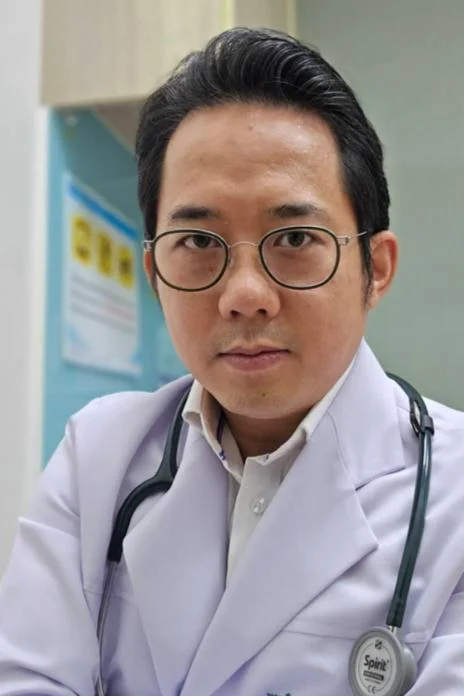
Sittiluck Wongwantanee
Sittiluck Wongwantanee is one of the core members introduced in the GPO presentation and the presenter of the CNF deck. The 2024 paper lists the Department of Medicine at Rayong Hospital, and he also appears in the Rayong study summary. These sources connect his involvement to the clinical question, evaluation, and presentation of the project.
The presented approach emphasizes equipment already available in clinical services and AI as an input to clinician work. This description follows the documented research and presentations without extending it to unverified executive titles or endorsements.
Source: GPO 2026, p. 2; CNF 2026, pp. 1–2, 54; 2024 paper, pp. 123–124
03
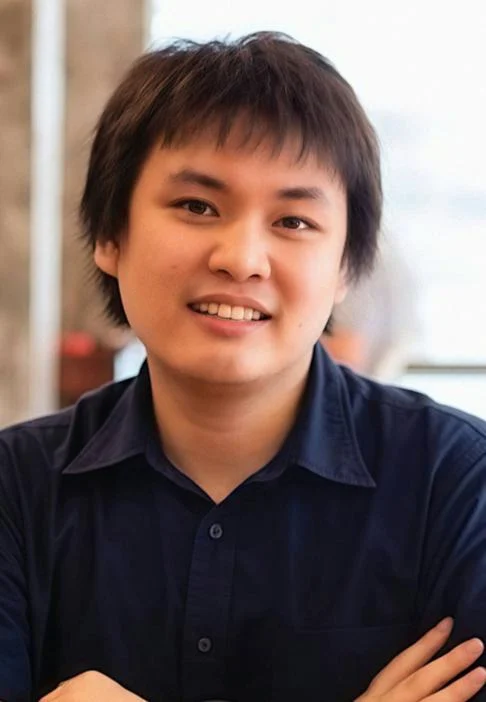
Thananop Kobchaisawat
Thananop Kobchaisawat is introduced as a core team member in GPO and is a coauthor of the 2024 paper, which lists the Department of Computer Engineering, Faculty of Engineering, Chulalongkorn University. The published work covers video quality screening and preparation through classification and output processing.
The available sources do not allocate individual responsibility for each algorithm. This page therefore credits his research and engineering-team involvement without assigning a specific component to a sole contributor.
Source: GPO 2026, p. 2; 2024 paper, pp. 123–124, 128–129
04
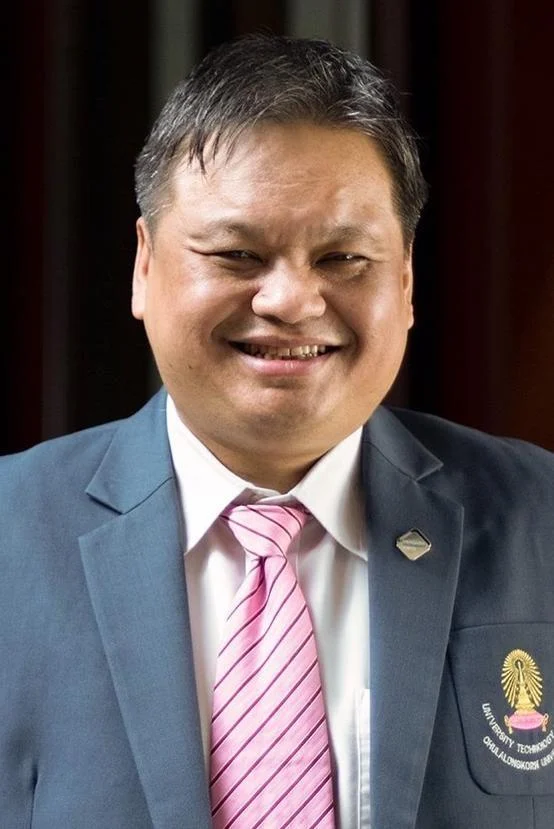
Natawut Nupairoj
Natawut Nupairoj appears in the GPO core team and in the author lists of both the 2024 publication and the Rayong summary. The 2024 paper lists the Department of Computer Engineering at Chulalongkorn University. Together, these sources show engineering collaboration spanning model development and clinical-service evaluation.
Source-based attribution lets readers trace the work directly. Product approval and deployment readiness still require their own evidence and cannot be inferred from a researcher’s affiliation.
Source: GPO 2026, p. 2; 2024 paper, pp. 123–124; CNF 2026, pp. 45, 54
05
Research contributors and clinical teams
The three core members are not an exhaustive contributor list. The 2024 article has an additional coauthor, and the Rayong summary includes nursing participation. Slide 55 describes registered-nurse operation and cardiologist confirmation, showing the importance of clinical teams to data quality.
Future collaboration can involve hospital teams, researchers, and engineers in defining questions and evaluation methods. Activity photographs or institution names in a presentation do not establish that each institution has validated the product or completed participation in a multisite study.
Source: 2024 paper, pp. 123–124; Rayong abstract, pp. 1–2; CNF 2026, pp. 21, 55, 60
SOURCE NOTES
Sources for this page
- เอกสารนำเสนอ / Presentation: EasyEF AI Echo, GPO, 4 February 2026 — หน้า / pp. 2
- เอกสารนำเสนอ / Presentation: EasyEF Lunch Symposium, CNF 17th, 26 March 2026 — หน้า / pp. 1–2, 21, 45, 54–55, 60
- บทความวิจัยปี 2567 / 2024 original article — J Prapokklao Hosp Clin Med Educat Center 41(2):123–132 ↗
- บทคัดย่อการศึกษาระยอง ไทย–อังกฤษ หน้า 1–3 / Rayong study abstract, Thai and English, pp. 1–3; publication and peer-review status not verified / ยังไม่ยืนยันสถานะตีพิมพ์และการทบทวนโดยผู้ทรงคุณวุฒิ
Presentations reflect information at the time they were prepared. Explore context and evidence status in the resource library.
Explore the source library →